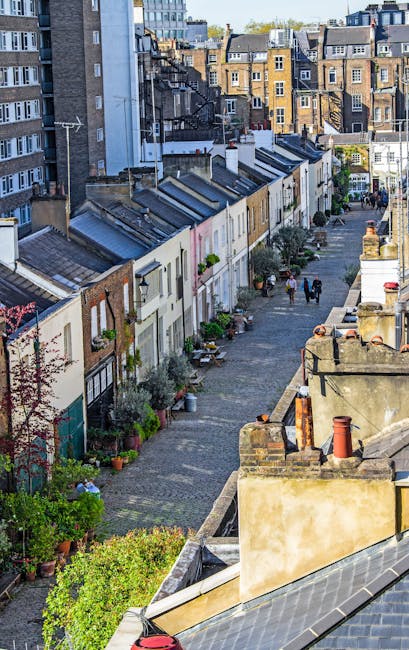
St Johns Wood High Street garden maintenance guide for terraces
If you live near St Johns Wood High Street, you already know terraces can be both charming and a bit demanding. A compact outdoor space looks lovely when it is tidy, clipped, and planted with intention, but it can also turn messy fast: leaf fall in the corners, thirsty pots by the wall, moss on paving after a damp week, and overgrown climbers doing their own thing. This St Johns Wood High Street garden maintenance guide for terraces is here to make the whole job feel manageable, not mysterious. Whether your terrace is a small paved courtyard, a narrow side return, or a raised deck with containers, the aim is the same: keep it healthy, attractive, and easy to enjoy without spending every weekend chasing weeds.
In practice, good terrace maintenance is about rhythm. A little attention at the right time saves a lot of corrective work later. It also helps you protect surfaces, keep plants thriving in pots, and avoid the slightly scruffy look that can creep in quicker than you expect. Let's get into the details.
Table of Contents
- Why terrace maintenance matters on St Johns Wood High Street
- How terrace garden maintenance works
- Key benefits and practical advantages
- Who this is for and when it makes sense
- Step-by-step guidance
- Expert tips for better results
- Common mistakes to avoid
- Tools, resources and recommendations
- Law, compliance, standards, or best practice
- Options, methods, or comparison table
- Case study or real-world example
- Practical checklist
- Conclusion
- Frequently Asked Questions
Why St Johns Wood High Street garden maintenance guide for terraces Matters
Terraces are different from larger gardens. There is less room for error, less room for growth, and usually less room for storage too. That is exactly why a clear maintenance approach matters. On a terrace, one neglected planter or one patch of algae can make the whole space look tired. One rogue shrub can shade out the plants beside it. One blocked drain can create puddles that linger after rain. Small space, big consequences. Bit unfair, really, but there it is.
In an urban London setting like St Johns Wood, terraces often need a more curated style of upkeep than open lawns or deep borders. You are balancing appearance, plant health, surface care, and practicality. That means pruning at the right time, keeping pots topped up with compost, checking drainage, and clearing away dead leaves before they trap moisture on stone or timber.
There is also the lifestyle side. A well-kept terrace becomes somewhere you actually use. Morning coffee feels better when the planters are fresh and the paving is clean. Evening meals feel calmer when the space does not look half-finished. To be fair, that's usually the real reason people want maintenance done properly: they want the terrace to feel like part of the home, not an awkward outdoor cupboard.
If the terrace includes timber features, raised beds, or a decked area, maintenance becomes even more valuable. A neglected deck can suffer from slipperiness, staining, and wear. A crowded planter can lead to root stress. Over time, small issues become expensive ones. Regular upkeep is the quiet fix.
For homeowners who want broader support, a structured garden maintenance service can help keep everything on track without turning terrace care into a second job.
How St Johns Wood High Street garden maintenance guide for terraces Works
Terrace maintenance works best when it follows a repeating cycle rather than a random "do a bit when you notice it" approach. The exact schedule depends on the size of the space and what is planted there, but the logic is usually the same: inspect, clean, prune, feed, water, and reset. Simple enough. Harder to keep up with than it sounds, which is why a routine helps so much.
A terrace typically includes a mix of surfaces and living features. You may have paving, porcelain, timber, brick walls, pots, hanging baskets, climbers, small trees, or compact beds. Each one behaves differently. Paving wants cleaning and weed control. Pots want watering and feeding. Climbers want tying in and pruning. Trees and large shrubs may need careful shaping so they do not overwhelm the space.
Good terrace maintenance usually follows these steps:
- Observe the space for overgrowth, dryness, blocked drainage, pest damage, or slippery surfaces.
- Clear debris such as leaves, spent flowers, and loose soil.
- Prune or trim plants that are spilling into walkways or blocking light.
- Refresh containers with compost, mulch, or plant replacement where needed.
- Clean hard surfaces using suitable methods that will not damage joints, seals, or finishes.
- Check watering needs, especially in summer and during windy spells.
- Review structure such as trellises, edging, decking, and fixings.
For spaces with hedging, screening, or tall boundary planting, regular shaping matters more than most people realise. A neat edge can make the whole terrace feel wider and brighter. If your terrace includes a hedge or clipped screen, a dedicated hedge trimming approach helps maintain privacy without allowing the planting to become heavy and boxy.
In some cases, terrace maintenance overlaps with design work. If the space feels awkward rather than simply untidy, a light rethinking of planting layout, containers, and surfaces may be better than endless patching. That is where landscape gardening or broader landscaping support can be useful.
Key Benefits and Practical Advantages
There is a strong practical case for keeping terraces maintained properly, and it goes beyond "making it look nice." A tidy terrace can be safer, easier to use, and less expensive to look after in the long run. Small, regular work prevents the bigger jobs that nobody enjoys on a wet Saturday morning.
- Better first impression: A well-maintained terrace looks intentional, even if it is compact.
- Healthier plants: Regular feeding, pruning, and watering keeps containers and beds in better shape.
- Safer surfaces: Routine cleaning reduces slippery algae, fallen leaves, and hidden debris.
- Less stress on materials: Timber, stone, brick, and fixings last longer when checked and cleaned.
- More usable space: Clear walkways and tidy edges make the terrace feel bigger.
- Lower long-term effort: A little maintenance now saves a lot of recovery work later.
There is also a subtle benefit people often miss: maintenance gives you better visibility. When a terrace is neat, you can see early signs of issues more easily. A stressed plant stands out. A cracked pot is obvious. A patch of damp on decking gets noticed before it becomes a headache.
If the terrace has a deck or raised platform, staying on top of surface care is especially worthwhile. A dedicated decking service may be sensible if the area needs cleaning, repairs, or a more robust finish.
Who This Is For and When It Makes Sense
This guide is most useful for anyone looking after a terrace in a city setting where space is precious and visible from the house. That includes homeowners, landlords, flat owners, and people responsible for shared outdoor areas. If you are the kind of person who notices a few dead leaves and suddenly sees the whole space as "a bit off," yes, this is for you.
It also makes sense if you:
- have a terrace that feels cluttered after winter or windy weather
- want to improve kerb appeal or rental presentation
- struggle to keep container plants alive through summer
- have timber, stone, or composite surfaces that need careful cleaning
- share the terrace with neighbours or building management and need it to stay presentable
- prefer a calm, low-fuss outdoor space rather than a high-maintenance one
Seasonal timing matters too. Spring is often the reset point, when old growth is cleared and planting is refreshed. Summer is about watering, feeding, and deadheading. Autumn is leaf control, cutting back, and making surfaces safe. Winter is inspection and protection. The jobs change, but the principle stays the same.
If your terrace is linked to a wider garden or you are clearing out an overgrown outdoor area before starting again, garden clearance may be the right starting point before maintenance takes over.
Step-by-Step Guidance
Here is a practical way to approach terrace maintenance without making it complicated. This is the part you can actually use.
1. Start with a full visual sweep
Walk the terrace slowly. Check the corners first. That is where the trouble usually lives: trapped leaves, moss, dead stems, cracked pots, and forgotten trays. Note anything that looks unstable, waterlogged, or heavily shaded.
2. Remove debris and surface clutter
Clear away leaves, petals, old compost spill, and any loose gravel or mulch that has migrated across the paving. If the terrace has furniture, move it occasionally so damp patches do not get missed. You will often find hidden dirt under benches or plant stands. Not glamorous, but useful.
3. Tidy the planting
Cut back soft growth that has become leggy, remove dead blooms, and reduce any plants that are blocking paths or windows. For containers, replace tired annuals and deadhead regularly. On small terraces, one unruly plant can dominate the whole scene very quickly.
4. Check watering and drainage
Pots dry out faster than people expect, especially on sunny or windy terraces. Check compost by touch rather than by guesswork. If it feels dry several centimetres down, water thoroughly. Make sure containers have drainage holes and that saucers are not holding water for too long. Poor drainage is a common cause of plant decline and staining on hard surfaces.
5. Clean hard landscaping carefully
Use the right approach for the surface. Some paving can take a firmer clean, while timber decking needs more care. Avoid harsh methods that damage seals, erode joints, or make surfaces rough. If the terrace includes a deck, regular inspection matters because wet weather and shade can make it slick. That part is not dramatic; it is just sensible.
6. Review structure and support
Check trellises, pots, canes, ties, and screens. Climbing plants move with the wind and can tug at fixings. A loose trellis is usually easy to repair early and annoying later.
7. Finish with a reset
Put things back in a way that feels calm and deliberate. Group plants by light needs. Leave walking routes clear. Keep the most attractive pots where they can be seen from inside. A terrace should feel like a decision, not a storage area with ambition.
Expert Tips for Better Results
Over the years, the difference between an average terrace and a really good one often comes down to details. Nothing mystical. Just careful habits done consistently.
- Use fewer but better containers. A terrace can look cluttered with too many small pots. A few generous planters often feel calmer and are easier to maintain.
- Choose plants for conditions, not wishful thinking. If the terrace is windy, dry, or shaded, work with that reality. It saves a lot of disappointment.
- Mix evergreen structure with seasonal colour. That way the space does not collapse visually when flowers fade.
- Raise pots slightly off the ground. This improves drainage and helps prevent staining under containers.
- Prune lightly and often. Small trims are easier on plants and less disruptive than hard cut-backs every few months.
- Watch the corners. Moisture, shade, and debris all collect there. It is nearly always where moss and mess start.
- Keep a simple maintenance rhythm. A ten-minute weekly sweep often beats a big monthly rescue.
One slightly underrated tip: photograph the terrace in spring and again in late summer. Not for social media, obviously, but to see what has actually changed. We forget quickly. A picture makes patterns obvious, like one planter always leaning into the walkway or a hedge line that needs lifting a little.
If sustainability matters to you, look at reuse and composting where possible. A thoughtful recycling and sustainability approach can reduce waste from old compost, cuttings, and removed planting material.
Common Mistakes to Avoid
Most terrace problems are not caused by one huge mistake. They are caused by a handful of small ones repeated over time. Annoying, but true.
- Overwatering containers: More water is not always better. Roots need air as well as moisture.
- Ignoring drainage: Standing water can damage plants and surfaces.
- Letting plants grow unchecked: On a small terrace, even one overgrown shrub can dominate the space.
- Using the wrong cleaning method: Aggressive cleaning can damage wood, joints, or delicate finishes.
- Filling every inch with plants and furniture: The terrace ends up feeling smaller, not richer.
- Forgetting seasonal resets: If you never cut back, clear out, or refresh, the space slowly gets tired.
- Choosing the wrong plant for the light: A sun-lover in shade will sulk. A shade plant in hot exposure will complain in its own way.
Another common issue is treating maintenance as emergency work only. That almost always costs more time. A terrace is best seen as a living part of the property, not a one-off project.
And yes, the odd plant will still fail. That is normal. Not every pot is going to become a triumph. Gardening would be boring if it did.
Tools, Resources and Recommendations
You do not need a shed full of kit to maintain a terrace well. In fact, too much equipment can become part of the clutter problem. Keep it simple and practical.
| Tool or item | Best use | Why it helps |
|---|---|---|
| Hand trowel | Planting and compost refresh | Useful for container work in tight spaces |
| Secateurs | Pruning and deadheading | Gives cleaner cuts and better control |
| Soft broom | Daily or weekly sweep | Keeps dust, leaves, and grit under control |
| Watering can or hose with care | Targeted watering | Helps avoid flooding pots or wasting water |
| Scraper or suitable patio brush | Surface cleaning | Removes algae and dirt without overdoing it |
| Gloves | Pruning and clearing | Protects hands when handling rough stems or debris |
For more involved upkeep, especially if the terrace includes heavy planting, a mixed border, or overgrown features, a professional services overview can help you work out what support is most sensible, from routine care to one-off restoration work.
If the terrace has a strong structural element such as walls, raised beds, or edging that needs redesigning, a broader planning conversation may be more helpful than piecemeal fixes. That is where landscape advice can save a lot of back-and-forth later.
Law, Compliance, Standards, or Best Practice
For terrace maintenance, the main concern is usually not complex legal compliance so much as responsible, safe, good practice. If you live in a flat, leasehold property, or shared building, there may be rules about access, noise, waste disposal, and changes to communal outdoor areas. Those details vary, so it is wise to check your building documents or managing agent's guidance before making bigger changes.
From a practical UK perspective, a few common best practices apply:
- Work safely at height: Use stable access equipment for pruning or cleaning elevated areas.
- Use suitable plant care methods: Avoid products or techniques that could damage nearby surfaces or runoff areas.
- Dispose of green waste properly: Do not leave cuttings to rot against walls or block drainage.
- Be considerate with noise and timing: Particularly in shared buildings or close terraces.
- Maintain safe walking routes: Keep entrances, exits, and step edges clear.
If the terrace includes trees, large climbers, or branches near windows and boundaries, more care is needed. In some situations, pruning should be handled conservatively, and larger work may need specialist attention. For higher-risk or more complex vegetation, a tree lopping and removal service may be appropriate, especially where access is awkward or safety is a concern.
Trust matters here too. If you are hiring help, ask about insurance, safe working practice, and how they handle waste. It is perfectly reasonable. In fact, it should be standard.
Options, Methods, or Comparison Table
Not every terrace needs the same level of input. Some need a light touch. Others need a proper reset. Here is a simple comparison to help you decide what kind of maintenance route makes sense.
| Approach | Best for | Pros | Limitations |
|---|---|---|---|
| DIY weekly upkeep | Small, tidy terraces with manageable planting | Low cost, flexible, easy to keep personal style | Can be inconsistent if you are busy |
| Seasonal deep tidy | Terraces that drift out of shape over time | Big improvement in one visit, clears clutter fast | Does not solve ongoing care needs alone |
| Regular professional maintenance | Busy households, shared buildings, premium outdoor spaces | Consistent standard, less stress, better long-term presentation | Ongoing cost and scheduling required |
| Redesign plus maintenance | Terraces that feel awkward, cramped, or outdated | Improves both appearance and usability | More planning involved at the start |
If the space mostly just needs routine care, maintenance is enough. If it feels overplanted, badly laid out, or hard to keep clean, some landscaping or design changes may pay off quickly. Sometimes the best maintenance job is the one that stops the same problem happening again.
Case Study or Real-World Example
A typical terrace near a busy high street in St Johns Wood might start the year looking neat enough, then slowly lose its shape by midsummer. A couple of pots dry out, a climber pushes across the trellis, leaves gather behind the furniture, and the paving begins to look dull. Nothing dramatic. Just a steady slide.
In one common scenario, the fix is not a complete redesign. It is a careful reset. First, the terrace is cleared of dead leaves and tired annuals. Then the containers are thinned out so the stronger planting has space to breathe. One hedge or screen is lightly reshaped to bring back light. The paving is cleaned, the seating area is repositioned, and drainage around the pot cluster is checked. After that, the space feels sharper immediately. Lighter, somehow.
What usually surprises people is how much difference small changes make. Removing two overcrowded pots can make a terrace feel larger than adding three new ones. Reducing one overgrown plant can improve light on the whole wall. A tidy edge can make the whole space look newly designed. Truth be told, terraces often need less "stuff" and more attention.
That is the real value of maintenance: it restores clarity. And when a terrace feels clear, people use it again. That part matters more than most people expect.
Practical Checklist
Use this as a simple terrace maintenance checklist through the year:
- Clear leaves, petals, and loose debris from corners and edges
- Check all pots for drainage and dryness
- Deadhead flowers and remove tired growth
- Trim back plants blocking paths, windows, or seating areas
- Inspect trellises, ties, and supports
- Clean hard surfaces with a suitable method
- Look for slippery patches, moss, or algae
- Refresh compost or mulch where needed
- Replace failing plants rather than leaving gaps for too long
- Review whether the layout still feels practical
- Keep access routes clear and safe
- Book deeper maintenance before problems build up
If you work through that list regularly, the terrace will stay much easier to manage. Not perfect. Just better, and better in a way you can feel.
Conclusion
A good terrace does not happen by accident. It comes from steady, sensible maintenance that fits the space, the season, and the way you actually live. In a place like St Johns Wood High Street, where terraces often do a lot of visual work in a small footprint, the difference between "fine" and "really lovely" usually comes down to simple habits: clear the debris, keep the planting balanced, protect the surfaces, and do not wait too long between checks.
Whether you manage the space yourself or bring in help, the goal is the same: a terrace that feels calm, cared for, and genuinely usable. That is the sweet spot. Not overworked, not neglected, just looked after with a bit of judgement.
Get a free quote today and see how much you can save.
And if today is the day you finally tackle the terrace, start small. One sweep, one prune, one reset. That is usually enough to get things moving in the right direction.
Frequently Asked Questions
How often should a terrace be maintained?
Most terraces benefit from light weekly attention and a deeper tidy each season. In summer, watering and deadheading may need more frequent checks, while autumn usually calls for leaf clearance and surface cleaning.
What makes terrace maintenance different from normal garden upkeep?
Terraces usually have less space, more hard landscaping, and more container planting. That means drainage, surface care, and plant control matter more than they might in a larger garden.
Can I maintain a terrace myself?
Yes, if the space is small and the planting is manageable. A simple routine with sweeping, pruning, watering, and checking drainage goes a long way. More complex terraces may need professional help now and then.
What plants work best on a terrace in London?
It depends on the light and exposure. Wind-tolerant, compact, and container-friendly plants are usually the safest choice. The key is matching the plant to the terrace conditions rather than choosing only for looks.
How do I stop my terrace from looking cluttered?
Use fewer containers, keep furniture proportionate to the space, and prune regularly. Clutter often comes from too many small items rather than one big problem.
Is pressure washing safe for terrace paving or decking?
Sometimes, but not always. It depends on the material, finish, and condition of the surface. Too much pressure can damage joints, coatings, or timber. A gentler cleaning method is often better.
When should I book a professional garden maintenance visit?
It makes sense when upkeep is falling behind, plants are overgrown, the terrace needs a seasonal reset, or you want a higher and more consistent finish without doing everything yourself.
What should I check after wet weather?
Look for standing water, slippery patches, fallen leaves, and any pots that have shifted or tipped. Wet weather reveals weak points quickly, especially on smaller terraces.
Can terrace maintenance improve property value or rental appeal?
It can improve presentation and make the outdoor space feel more usable. That does not guarantee a value jump, of course, but it often strengthens first impressions, which matter a great deal.
Do I need special permission to change a terrace layout?
If the terrace is part of a leasehold, managed block, or shared building, you may need to check the property rules before making structural changes. Light maintenance is usually straightforward, but bigger alterations should be reviewed first.
What is the biggest mistake people make with terrace gardens?
Waiting too long between maintenance sessions. Once a terrace drifts, it takes much more effort to bring it back. Regular care is easier, cheaper, and far less annoying.
How do I know whether I need maintenance or redesign?
If the terrace is generally fine but untidy, maintenance is probably enough. If it feels cramped, awkward, or difficult to keep in shape no matter what you do, a redesign or landscaping adjustment may be the better answer.
Take your time with it, keep it practical, and let the terrace earn its place in daily life. A small outdoor space can still feel wonderfully generous when it is looked after well.