Gardening St Johns Wood: Recycling and Sustainability
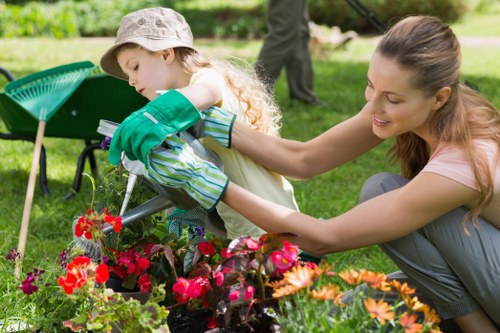 Gardening St Johns Wood is committed to creating an eco-friendly waste disposal area and a thriving sustainable rubbish gardening area across the neighbourhood. This page outlines how local green space managers, residents and small businesses can work together to reduce waste, increase reuse, and support low-carbon collection systems. St Johns Wood gardening efforts focus on practical recycling activities—from composting garden waste to diverting wood and soil for reuse—while aligning with borough-level approaches to waste separation.
In line with the City's approach to household and garden waste, the borough promotes separate collections for paper, glass, metal, plastic, food waste and dedicated garden waste streams. For Gardening in St Johns Wood this means clearly labelled bins at community gardens and shared disposal points, plus a network for collecting green materials safely. Our sustainable rubbish gardening area supports on-site composting, community compost hubs and seasonal turn-ins that transform prunings and leaves into useful soil conditioners.
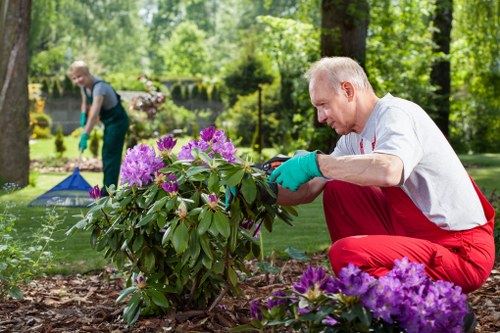
Recycling percentage target and measurable goals
We are setting an ambitious but realistic recycling percentage target for garden and related household streams: an overall 50% recycling rate across local household and garden waste within five years, rising to a 65% recycling rate for green and organic streams by 2030. Targets are monitored through regular audits and partnership reporting so the St John's Wood garden recycling programme can show steady improvement. Key recycling activities include:- Community composting and garden mulching
- Wood and timber salvage for raised beds and habitats
- Soil reuse and screening to reduce imported topsoil
- Metal and hard plastic recycling from garden structures
Local transfer stations and material recovery infrastructure play a crucial role in the success of Gardening St Johns Wood. Waste collected from community points and kerbside bins is routed through local transfer stations and Material Recovery Facilities (MRFs) serving Westminster and north-west London. These facilities separate mixed recyclables and prepare green waste for processing—turning trimmings into compost, chips or biomass. The borough's approach to separation means cleaner streams entering the transfer chain, resulting in higher quality compost and less landfill.
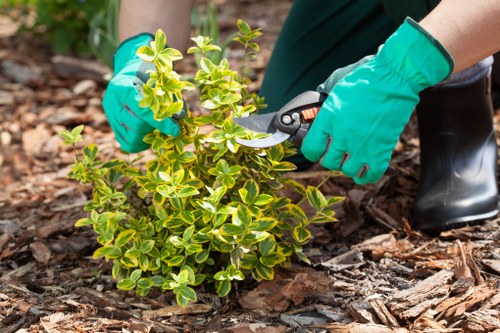 Partnerships with charities and local organisations multiply impact. Community groups, reuse charities and food redistribution organisations are essential for diverting useful items out of the waste stream: pots, tools, soils, plant cuttings and surplus shrubs are frequently repurposed or donated. Gardening St John's Wood partners with neighbourhood community gardens, repair cafes and reuse networks to ensure materials remain in circulation rather than becoming rubbish. Collaborations also support training programmes, volunteer swaps and seasonal plants exchanges that emphasise reuse over replacement.
To reduce transport emissions from collection and delivery in St Johns Wood gardening operations, the programme prioritises a fleet of low-carbon vans and low-emission logistics. Electric vans and hybrid vehicles are used for garden waste pick-up and material deliveries, and where appropriate we deploy cargo bikes for short urban trips. This low-carbon approach reduces neighbourhood noise and air pollution, while strengthening the link between sustainable collection practices and recycling performance.
The features of an effective eco-friendly waste disposal area in St Johns Wood include clear signage, sheltered bin stations for sorted streams, and dedicated drop-off days for bulky garden items. Services available locally typically include:
- Weekly or fortnightly green waste collections
- Community compost hubs for leaf litter and trimmings
- Timber and woody debris salvage for habitat projects
- Seasonal reuse stalls for pots, labels and gardening equipment

Monitoring progress and the local recycling target
Measurement is central to hitting our recycling percentage target. Data is collected from kerbside collections, transfer station throughput and community drop-off points to track the journey of materials. Short-term goals include increasing garden waste capture by 20% in the next 18 months and boosting the proportion of material redirected to reuse partners rather than disposal. Strong reporting and transparent metrics make it possible for St Johns Wood gardening initiatives to refine practices and scale successful, low-impact solutions.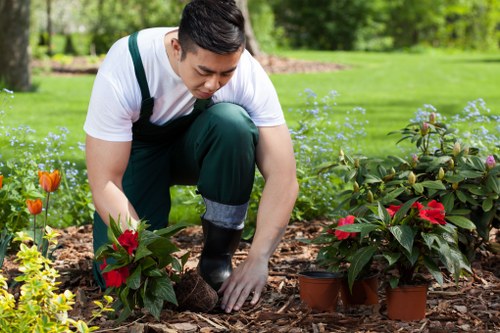 In summary, Gardening St Johns Wood seeks to create an integrated, sustainable rubbish gardening area that benefits residents and the wider local ecology. By combining borough-aligned waste separation, partnerships with charities and community groups, low-carbon vans for collection, and clear recycling percentage targets, the neighbourhood can significantly reduce landfill and improve resource use. Whether you're managing a private plot, volunteering in a communal garden, or organising a small local green space, these strategies make it easier to contribute to a cleaner, greener St John's Wood.