Top gardeners in St Johns Wood NW8 for period properties
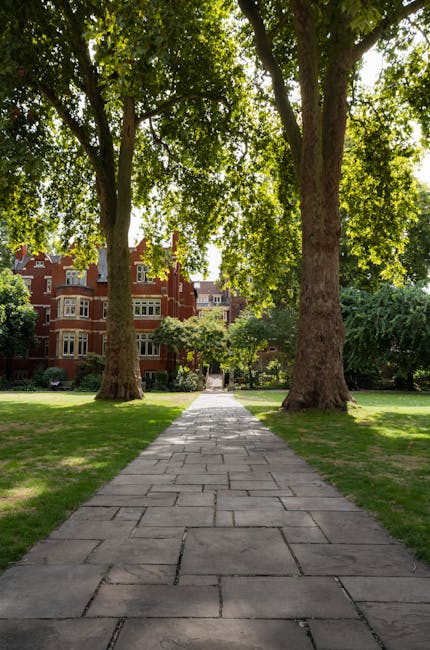
If you own a Georgian terrace, Victorian townhouse, mansion block garden, or a mature mews courtyard in NW8, you already know this: period properties ask more of a garden than a standard modern plot. The proportions feel different. The planting needs to sit with the architecture. And a clipped hedge that looks perfect in one setting can feel oddly stiff in another. That is why people searching for Top gardeners in St Johns Wood NW8 for period properties are usually looking for more than mowing and weeding. They want judgement, restraint, and a proper feel for the character of the house.
This guide walks through what makes period-property gardening distinct, how experienced gardeners approach it, the mistakes to avoid, and how to assess whether a team is the right fit for a refined London garden. You will also find a practical checklist, a comparison table, and a few real-world decision points that help you move from vague ideas to a clear plan. Truth be told, a good garden in St John's Wood should feel like it has always belonged there.
Table of Contents
- Why it matters in St Johns Wood NW8
- How period-property garden care works
- Key benefits and practical advantages
- Who this is for and when it makes sense
- Step-by-step guidance
- Expert tips for better results
- Common mistakes to avoid
- Tools, resources and recommendations
- Law, compliance, standards, or best practice
- Options, methods, and comparison table
- Case study or real-world example
- Practical checklist
- Conclusion
- Frequently asked questions
Why Top gardeners in St Johns Wood NW8 for period properties Matters
St John's Wood has a very particular garden language. The area's period homes often sit behind established frontage planting, mature trees, compact side returns, and private rear gardens that need to work hard without looking overworked. The best gardeners here understand that the aim is not to make the space look "done" in a flashy way. It is to make it feel settled, balanced, and appropriate to the architecture.
Period properties come with quirks. Stone steps can be slippery with moss. Old boundaries may not be square. Roots from mature trees can shift levels and complicate drainage. Walls may need gentler treatment than newer builds. And because many homes in NW8 are highly visible from the street, the front garden often carries a lot of responsibility. It creates the first impression before anyone even rings the bell. A slightly tired front border can drag down the feel of an otherwise elegant house.
That is why local experience matters. A gardener who has worked on period gardens in London tends to look at structure first, then planting, then maintenance rhythm. They know that a garden near a listed facade or a conservation-sensitive setting needs care with materials, scale, and visual clutter. They also know that mature gardens are not "low effort" just because they look established. In some ways, they are more demanding. A hedge cut badly by a careless crew can take seasons to recover. A rose pruned at the wrong time can throw the whole year out. It happens, more than people think.
For homeowners, landlords, estate managers, and busy professionals in NW8, working with experienced gardeners can save time, reduce risk, and protect long-term value. If you want to understand the wider service scope first, the services overview is a useful place to start, and if you are thinking about practical next steps, the contact page makes that easy.
How Top gardeners in St Johns Wood NW8 for period properties Works
Good period-property gardening usually follows a slower, more considered process than standard maintenance. It starts with observation. A capable gardener looks at the garden in layers: structure, planting, light, soil, drainage, access, privacy, and how the garden is used through the week and across the seasons. That first walk-through tells them what should be protected, what should be edited, and what should be brought back to life.
From there, the work is usually split into a few strands:
- Structural care: hedge shaping, boundary maintenance, tree and shrub management, and keeping the garden's outline clean.
- Planting care: seasonal pruning, deadheading, dividing, staking, mulching, and replenishing weak areas.
- Presentation: front-garden neatness, pathway edges, pots, topiary, and those small finishing touches that make the whole place feel looked after.
- Long-term planning: improving weak soil, refreshing tired beds, and planning changes that fit the property rather than fighting it.
In period settings, timing matters. A garden may look "fine" at first glance, but a skilled gardener will know not to do everything at once. They might leave structural pruning for the right season, hold back on heavy disturbance around roots, or stagger planting so the garden never feels stripped bare. A little patience goes a long way. To be fair, that patience is often what makes the result look expensive, even when it is not.
There is also a strong practical side. Many homeowners want a low-maintenance rhythm that still feels polished. That does not mean no work; it means the work is planned. For example, a monthly maintenance visit might keep a clipped border neat, maintain seasonal colour, and avoid the kind of overgrowth that turns a garden into a weekend rescue mission. We have all seen that one. By Friday the place looks charming; by Sunday evening it is suddenly a jungle with opinions.
Key Benefits and Practical Advantages
Choosing experienced gardeners for a period property in St John's Wood gives you more than a tidy lawn. Done well, it protects the character of the house and reduces costly mistakes.
| Benefit | What it means in practice | Why it matters for period properties |
|---|---|---|
| Architectural sensitivity | Planting and maintenance match the age and style of the building | Prevents the garden looking out of place or visually heavy |
| Better seasonal rhythm | Tasks are planned around growth cycles, bloom periods, and pruning windows | Protects plant health and keeps the garden attractive year-round |
| Reduced long-term damage | Careful handling around mature roots, old masonry, and delicate borders | Helps avoid avoidable damage to historic features and established planting |
| Improved curb appeal | Front boundaries, edging, pots, and entrance planting are kept crisp | Important in a neighbourhood where presentation carries real weight |
| Less stress for the owner | Maintenance becomes predictable instead of reactive | Makes the garden feel manageable, not like another hidden job |
Another benefit that gets overlooked is confidence. When your gardener understands what they are dealing with, you do not need to keep explaining the same things every visit. You do not need to worry that an overenthusiastic cut will ruin the shape of an old yew or that the border will be stripped back because someone wanted a quick tidy. That trust matters. Especially if you are often away, or if the property is managed on behalf of a family or landlord.
There is also the matter of value. A well-kept garden does not just look better in photographs. It changes how the whole property feels on arrival. On a grey London morning, when the paving is damp and the air has that cool, slightly metallic edge to it, a smart front garden can make a house feel quietly impressive before anyone steps inside.
If you are looking at cost and scope, the page on pricing and quotes can help you understand how a proper quote is usually structured.
Who This Is For and When It Makes Sense
This kind of service is not only for large estates or luxury show gardens. In fact, some of the most demanding spaces are quite modest. A small walled garden behind a Victorian terrace can require more finesse than a bigger suburban plot because every inch is visible and every plant choice matters.
You are likely in the right place if you:
- own a period home and want the garden to match the architecture
- have mature planting that has become unbalanced or overgrown
- need a reliable maintenance routine rather than occasional "clear-ups"
- want a more refined front garden for street-facing presentation
- manage a property for someone else and need dependable upkeep
- have inherited a garden that feels tired, crowded, or a bit unloved
It also makes sense if you simply do not have the time to keep on top of a garden with structure. That is especially common in NW8, where people often travel, work long hours, or split time between homes. The garden does not care whether your week is hectic. It just keeps growing.
There is a subtle but important point here: the best gardeners for period properties are not always the ones who offer the loudest promises. Sometimes the right fit is the team that asks the best questions. What is the house style? Which bits do you want to preserve? Are you after formal, romantic, relaxed, or low-key? Those questions tell you far more than a glossy brochure does.
Step-by-Step Guidance
If you want a smoother result, treat the garden project like a process rather than a one-off job. Here is a sensible way to approach it.
- Walk the garden properly. Look at the entrance, the main seating areas, the boundaries, the planting beds, and any awkward corners. Notice where things feel heavy, sparse, dry, or overworked.
- Decide what must stay. Mature shrubs, specimen trees, old roses, climbing plants, or original paving details may be worth protecting rather than replacing.
- Separate maintenance from improvement. A tidy-up and a redesign are not the same thing. Mixing them up usually creates confusion and rushed decisions.
- Choose the right rhythm. Some gardens need weekly attention in peak season, while others are better managed with fortnightly or monthly visits, plus seasonal work.
- Agree priorities. Front garden, hedge lines, lawn, borders, pots, or trees - decide what matters most if time or budget is limited.
- Review after the first cycle. A good first month reveals a lot. You will notice whether the team works neatly, communicates clearly, and understands the garden's character.
A quick example: suppose a townhouse garden has mature lavender that is woody, a box hedge that has drifted out of line, and a shady border that never quite looks right. A rushed contractor might shear everything flat and call it done. A better gardener will likely prune the lavender more carefully, shape the hedge without harsh angles, and rethink the shade planting instead of pretending the problem does not exist. Small difference. Big result.
That sort of judgement is what you are paying for.
Expert Tips for Better Results
Here are a few things that tend to separate decent garden maintenance from genuinely good period-property care.
- Keep a strong edge line. In a period garden, edges matter more than people think. Crisp borders and clean lines make the whole space read as cared for.
- Respect mature scale. Do not force tiny ornamental planting everywhere just because it is neat. Period houses often suit layered planting with height and depth.
- Work with the house materials. Brick, stone, iron railings, and tiled paths all suggest different planting moods. A good gardener notices that.
- Use repetition wisely. Repeating a few plants can make a garden feel coherent, especially in compact spaces.
- Allow for seasonal lift. A bare winter garden should still feel structured. Spring and summer can then do the expressive work.
- Ask about disposal and recycling. Neat work includes what happens after the cuttings are cleared. The recycling and sustainability page is a helpful reference if you want to understand how materials and green waste are handled.
One practical tip many homeowners miss: make space for maintenance access. A gorgeous border is lovely, but if someone has to climb over pots, bump into furniture, and tiptoe past the rose arch every visit, the garden starts fighting the job. That is not efficient. And frankly, it becomes annoying very quickly.
Also, trust your eye. If a garden looks too busy, it usually is. If it feels calm, there is probably a reason for that calm.
Common Mistakes to Avoid
Period gardens can be spoiled by good intentions. A few classic errors crop up again and again.
- Cutting too much too soon. Over-pruning can strip shape, expose bare stems, and stress older plants.
- Ignoring the architecture. A garden that clashes with the property style never quite settles visually.
- Using one-size-fits-all maintenance. Mature gardens often need bespoke care, not a generic weekly reset.
- Replacing character with convenience. Sometimes a tired old shrub is worth keeping while you improve the surrounding planting.
- Underestimating drainage and shade. NW8 gardens can vary a lot in light and moisture. If you plant without checking those conditions, you will be revisiting the same problem all year.
- Choosing on price alone. The cheapest option can be expensive if it leads to damaged plants or repeated fixes.
There is a temptation to think, "It's only the garden." But in a period home, the garden is often part of the whole experience of the property. If it feels wrong, the house can feel slightly off too. Hard to explain, easy to notice.
Tools, Resources and Recommendations
You do not need to become a gardener yourself to make better decisions, but it helps to know the basics of what professionals may use and why. The following tools and approaches are common in well-managed period gardens:
- Bypass secateurs and loppers: for precise pruning on shrubs and smaller woody growth.
- Hedge trimmers and hand shears: for shaping hedges and topiary cleanly, depending on the finish required.
- Spades, forks, and border tools: for bed improvement, lifting, dividing, and reworking planting areas.
- Mulch and compost: to support soil health and reduce weed pressure.
- Plant supports and ties: especially useful in airy, mature planting schemes or windy exposed spots.
- Seasonal task plans: simple written notes are often better than trying to remember everything from one visit to the next.
On the admin side, it is sensible to review a company's about us information so you understand who you are dealing with, and their services overview to check whether they cover the type of work your garden needs. If security around payment matters to you, the payment and security page is worth a quick look too.
For homeowners who like a simple starting point, a useful set of questions is: What needs preserving? What feels out of balance? What can wait? That alone can save a lot of muddled discussion later.
Law, Compliance, Standards, or Best Practice
Garden work around period properties can touch on safety, access, waste handling, and sometimes the care of shared or sensitive structures. While the exact obligations depend on the property and the work involved, it is sensible to expect the gardener to follow appropriate UK best practice for safe work, sensible plant handling, and responsible disposal.
If trees, climbing plants, walls, paving, or boundary features are involved, care is particularly important. A gardener should be cautious around mature roots, old masonry, fragile surfaces, and anything that might be protected or shared. If there is any uncertainty about major changes, a careful contractor will usually pause and advise rather than plough on. That's the good sign, really.
From a service perspective, it is also reasonable to expect clear communication on:
- what work is included
- what materials or green waste will be removed
- how access and timing will be managed
- what to do if weather affects the schedule
- how any issues or complaints are handled
For reassurance on these practical points, you can review the site's health and safety policy, insurance and safety, and complaints procedure. Those pages are not glamorous, but they matter. A lot.
There is also a basic ethical side to good service. Many clients appreciate knowing a provider has a clear stance on responsible business practices, including a modern slavery statement and transparent policies such as the privacy policy and terms and conditions.
Options, Methods, or Comparison Table
Not every garden needs the same kind of help. Here is a practical comparison of common approaches for period properties in St John's Wood.
| Approach | Best for | Strengths | Limitations |
|---|---|---|---|
| Regular maintenance | Busy homeowners who want an orderly, reliable garden | Prevents overgrowth, keeps presentation consistent | May not solve deeper structural issues on its own |
| Seasonal restoration | Gardens that have become tired, patchy, or overgrown | Can reset the feel of the space without full redesign | Needs planning and can take more than one visit |
| Planting refresh | Borders that are healthy but visually flat | Improves interest, colour, and structure | Works best when maintenance is already under control |
| Full garden redesign | Properties needing a stronger long-term vision | Best for correcting poor layout or mismatched planting | Higher commitment and usually more decision-making |
In many NW8 period gardens, the best outcome is actually a combination of methods: a tidy maintenance base, a seasonal refresh of the borders, and a measured improvement plan. Not everything needs to be solved on day one. In fact, forcing that often creates more work later.
Case Study or Real-World Example
Imagine a classic St John's Wood townhouse with a narrow front garden and a private rear courtyard. The front area has mature shrubs that have lost shape, a hedge line that sits a bit unevenly, and a handful of pots that have slowly become a cluttered collection rather than a feature. The rear space is charming but dark in patches, with a few plants failing each year because the light conditions were never really considered.
A thoughtful gardener would not begin by ripping everything out. First, they would clear the clutter, define the main lines, and check which plants deserve a second chance. Then they might reshape the hedge, thin the overcrowded shrubs, and replace the weakest pots with a simpler, more cohesive scheme. In the rear, they would probably work with shade-tolerant planting, improve soil structure, and reduce the number of competing textures. It would still feel like the same house, just calmer and more elegant.
The result is rarely dramatic in the Instagram sense. It is subtler than that. You notice the entrance looks cleaner. The courtyard breathes a bit more. The house feels easier to live with. And on a wet morning, when the paving glistens and the clipped edges catch the light, everything feels quietly right. That's the point.
If you want to learn more about the team behind the service, the about us page gives a useful sense of how they present their work and approach.
Practical Checklist
Use this checklist before hiring or briefing a gardener for a period property in St John's Wood:
- Do they understand period-property character and not just general garden upkeep?
- Have they asked about the architecture, light levels, access, and existing planting?
- Can they explain what should be preserved, pruned, replaced, or improved?
- Do they offer a maintenance rhythm that fits your garden's growth pattern?
- Are they clear about waste removal, sustainability, and site tidiness?
- Do they provide sensible information on pricing, quotes, and payment?
- Have they addressed safety, insurance, and practical working arrangements?
- Can they show a calm, coherent plan rather than a rushed list of tasks?
- Do they communicate in a way that feels reliable and straightforward?
- Does their approach suit the style of your home, not just the size of the plot?
Expert summary: The best gardeners for period properties in NW8 combine technical skill with restraint. They keep the garden healthy, but also protect its character. That balance is the whole game, really.
Conclusion
Finding the right gardeners for a period property in St John's Wood is about more than keeping things neat. It is about protecting atmosphere, working with mature planting, and respecting the way an older home wants to be seen. The best results usually come from careful observation, steady maintenance, and practical decision-making rather than dramatic intervention.
When you choose well, the garden stops feeling like a chore and starts feeling like part of the house again. That is a lovely shift, and it is often more noticeable than people expect. You open the door, glance outside, and everything just sits better. Simple as that.
Get a free quote today and see how much you can save.
If you are ready to take the next step, use the contact page to start the conversation and ask for a quote tailored to your garden's character and condition.
Frequently Asked Questions
What makes gardeners suitable for period properties in St Johns Wood NW8?
They should understand architectural style, mature planting, careful pruning, and the slower, more considered approach that older gardens often need. Sensitivity matters as much as technical ability.
How often should a period garden be maintained?
It depends on the planting and how the garden is used, but many period gardens benefit from regular visits during the growing season, with seasonal work layered in as needed.
Do period-property gardens need redesigning or just maintenance?
Some only need consistent maintenance, while others need a partial refresh or more structured redesign. A good gardener will help you separate quick fixes from longer-term improvement.
Can a small courtyard in NW8 still benefit from specialist gardening?
Absolutely. Small gardens often need even more care because every detail is visible. A compact space can look remarkable when the structure and planting are balanced well.
What should I ask before hiring a gardener for my period home?
Ask about experience with mature gardens, pruning approach, waste removal, safety, insurance, pricing, and whether they have worked on similar properties before.
How do gardeners protect mature shrubs and trees?
They should avoid harsh cutting, work at the right time of year, and be careful around roots, stems, and old masonry. Mature planting rewards patience.
Are front gardens more important than rear gardens in St John's Wood?
Often the front garden has a bigger visual impact because it shapes first impressions from the street. That said, the rear garden still matters for daily enjoyment and privacy.
What if my garden has become overgrown and I do not know where to start?
Start with a clear assessment, then prioritise structure, safety, and the plants worth saving. It is usually better to improve the garden in stages than to rush everything at once.
How can I compare quotes fairly?
Compare what is included, how often visits happen, whether waste removal is covered, and whether the quote reflects the actual condition of the garden. Cheap can be misleading, as you probably know.
Should I choose a gardener who specialises in maintenance or design?
If the garden is broadly in good shape, maintenance may be enough. If the layout, planting, or overall feel is off, someone who can advise on both maintenance and improvement will usually be more helpful.
Is sustainability relevant for a period garden?
Yes. Responsible waste handling, sensible planting choices, and avoiding unnecessary replacement all support a healthier garden over time. You can also review the site's recycling and sustainability information for more context.
Where can I find more information about service terms and policies?
Useful pages include the terms and conditions, privacy policy, and accessibility statement. They help set clear expectations before work begins.